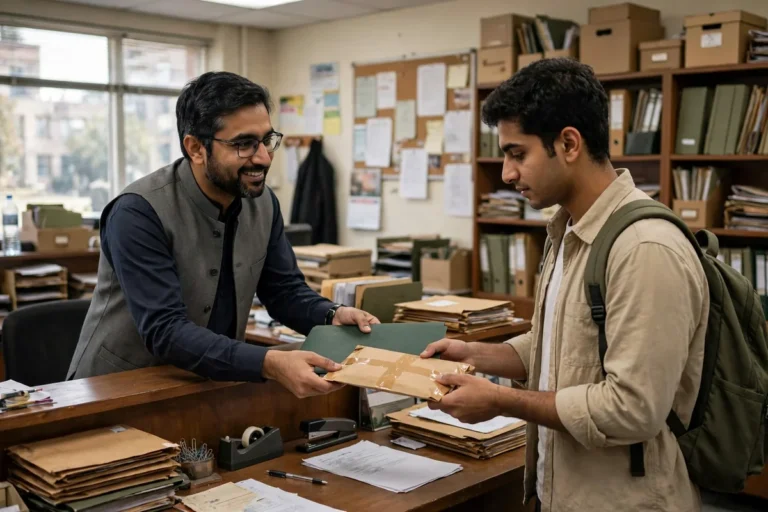

When a result feels wrong — a subject you were confident about comes back far lower than expected — the instinct is to ask for the paper to be marked again. That is not what rechecking does, and understanding the difference before you pay will save you both money and disappointment. Rechecking is a careful audit of the paper you already wrote, not a second opinion on its quality.
What rechecking checks — and what it does not
Rechecking looks for mechanical errors in how your paper was handled and totalled:
- Addition mistakes — marks added up incorrectly on the paper or on the award list.
- Unmarked answers — a question or part of a question that was left unmarked by the examiner.
- Swapped answer books — a paper or result attached to the wrong candidate.
It does not re-mark your answers, reconsider an examiner’s judgement about the quality of an answer, or award marks for an answer the examiner judged and marked. If your paper was totalled correctly and every answer was marked, rechecking will leave your marks exactly where they are — even if you disagree with the examiner’s assessment. That is not a flaw in the system; it is the system working as designed. Students who want a genuinely fresh attempt at a subject are looking at reappearing in the examination, which is a different process with different rules.
How to apply
Boards now run rechecking through online portals rather than paper forms at the board office, though the exact portal and steps vary by board. BISE Lahore’s homepage, for example, currently lists live rechecking application portals — including a dedicated rechecking portal — alongside date-and-time lookups for particular examinations. The general shape of an application is:
- Open your own board’s rechecking portal for the examination you appeared in. Do not use another board’s portal; your record lives with your board.
- Enter your examination details — class, year, session and roll number — and select the subject or subjects you want rechecked. Apply only for the subjects you genuinely doubt; every subject carries its own fee.
- Generate the challan and pay it through the channel the portal shows you. Read the figure on the challan itself before paying — see the fee warning below.
- Keep the application and payment record, and note any date, time or venue the board gives you for the rechecking process. Some boards communicate the schedule by SMS or email to the details you entered on the form, so enter a mobile number and email address you actually monitor.
- Follow the board’s schedule. Do not assume the work is done once the fee is paid; check the portal for updates and for the rechecking outcome.
The deadline: act on your own board’s notice
Rechecking windows are short, and they are set per examination by each board. BISE Multan’s official FAQ, for instance, says a candidate may apply for rechecking within 15 days after the declaration of result, after depositing the prescribed fee. That is Multan’s stated position — it is not a national rule, and your board’s notice for your examination is the one that governs you. Check that notice the day the result is announced, not a week later: a window measured in days does not forgive a late start, and bank challans themselves need time to clear.
The fee: read the challan, not a blog
This guide deliberately gives no single rechecking fee, because there is none. Reported figures for 2026 conflict: Lahore has been reported at Rs. 1,200 per subject plus Rs. 100 processing in October 2026 guides, against an older Rs. 1,100 per copy; Multan at Rs. 1,300; Gujranwala at Rs. 2,000 per copy — and all of these are third-party reports, not figures seen on a live portal challan at the time of writing. Boards also revise fees between examinations. The only figure you should pay against is the one your own board’s rechecking portal prints on your challan for your subject and examination. If a blog’s figure and your challan disagree, the challan wins.
One reassurance is official, and it comes from BISE Multan’s FAQ: fee deposited for rechecking is refunded if a mistake is found during the rechecking process, minus cheque or excise duty charges. Treat the fee as spent unless a mistake is actually found — that is the honest way to budget for it — but know that a genuine error does not leave you out of pocket for the full amount, at least under Multan’s stated rule. Check whether your own board states the same refund position before you apply.
If rechecking changes nothing — or changes everything
If your marks are unchanged, that is the end of the rechecking route for that paper. Your remaining options are academic, not administrative: prepare to reappear in the subject, or accept the result and plan around it — and talk to your college before making either decision, since the choice interacts with admissions and session rules.
If a mistake is found, the board corrects the record and issues a revised result. Keep every document from the rechecking process, because a revised result can mean a revised result card — and if your certificate has already been issued with the old details, you may need a second certificate after correction, which is covered in ourguide to correcting details on a board certificate. Do not promise a college or employer a changed result until the board has actually issued it.
Frequently asked questions
Will rechecking get my paper marked again?
No. Rechecking checks totals, unmarked parts and swapped books. It does not re-mark answers or reconsider an examiner’s judgement.
How many subjects can I apply for?
As many as you are willing to pay for, subject by subject — but apply only where you have a genuine reason to doubt the total or the marking coverage, not across the board in hope.
Is the rechecking fee refunded?
BISE Multan’s FAQ says the fee is refunded if a mistake is found, minus cheque/excise duty charges. Other boards may differ, so confirm your own board’s refund rule before applying.
How long do I have to apply?
Only as long as your own board’s notice for your examination allows. Multan’s FAQ states 15 days after result declaration; do not assume another board gives the same window.
Rechecking is a narrow tool, and narrow tools work best when used precisely: one or two subjects, a real reason to doubt the total, an application filed inside your board’s window, and a fee read off the challan rather than a blog. Used that way, it catches exactly the errors it was designed to catch. This guide is published independently of every board, and your own board’s rechecking notice is the document that decides your case.